Understanding the Burden of Malnutrition in Ghana
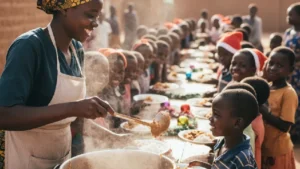
In Ghana, it has been observed that one out of every thirteen children dies before turning five, and almost half of these deaths are caused by malnutrition. Furthermore, when compared to well-nourished children, those who are malnourished are far more likely to die from common yet deadly illnesses such as malaria, diarrhea, pneumonia, and HIV-related complications. As a result, long-term consequences—such as reduced physical growth, weakened cognitive abilities, and impaired psychological performance—are frequently experienced.
Additionally, if urgent interventions are not implemented, stunting alone was projected to cost Ghana 5 billion cedis (US$3.5 billion) in lost productivity by 2020. Moreover, overnutrition has also been increasing, which has been linked to chronic diseases such as diabetes, hypertension, stroke, and heart disease.
Why Are Children Suffering From Malnutrition in Ghana?
Malnutrition has continued to affect women and young children the most. According to findings from the Ghana Demographic and Health Survey (2008), significant concerns were highlighted:
-
Three in ten children were found to be stunted, indicating chronic undernutrition.
-
One in seven children was underweight, which reduced their physical strength and performance.
-
One in twelve children was wasted, and 2% suffered severe wasting, greatly raising their risk of death and severe illness.
-
Over eight out of ten children under five were discovered to have iron deficiency anemia, which negatively impacts brain development, cognition, and daily efficiency.
Furthermore, the problem extended to pregnant women. Approximately seven out of ten women were affected by anemia, which significantly increased the likelihood of maternal mortality, infant death, low birth weight, and complications during pregnancy and childbirth. Consequently, the nutritional health of a mother has been shown to strongly influence her child’s weight at birth, growth patterns, and overall well-being during the critical early years.
A child’s chances of survival are deeply affected from birth. It has been reported that one in ten children is underweight in infancy. Moreover, the period known as the “first 1,000 days,” from conception to a child’s second birthday, has been identified as a fragile window that determines lifelong health. When inadequate Nutrition is experienced during this phase, irreversible physical and mental challenges are often created.
Our Mission and Efforts
A commitment has been made by our organization to improve the health, Nutrition, and overall well-being of children in Ghana. Since children represent the country’s future, efforts continue to be directed toward supporting the most vulnerable families. Through the World Vision Ghana Operation, charitable actions are being strengthened to enhance Nutrition and improve health outcomes.
To advance this mission, several priority actions have been established:
-
Malnutrition is to be reduced, especially among the youngest and most vulnerable children.
-
All mothers and children, including pregnant and breastfeeding women, are to be supported with proper Nutrition and access to a healthy environment.
-
Maternal deaths and malnutrition-related diseases are to be reduced significantly within five years.
-
All vulnerable children are to benefit from improved local healthcare systems and strengthened community structures.