
Helping children thrive requires more than responding to children’s needs alone. Families and caregivers shape the environment children return to every day. When adults have stronger skills, resources and opportunities, households can become more stable and communities can build greater resilience.
Why Empowering Families Helps Children
A child’s wellbeing is closely connected to the stability of the household around them. When caregivers have more options for earning income, producing food or developing practical skills, they may be better positioned to meet recurring family needs.
Ryvanz-Mia Charity’s Empowerment Programs focus on women, families, youth, skills development and sustainable community initiatives. This approach recognizes that charity should not only respond to emergencies; it should also help create pathways toward greater independence.
From Assistance to Opportunity
Immediate assistance will always have a place in humanitarian and community work. A family facing a food shortage needs food. A child without school materials needs practical support. But if every intervention ends at the point of relief, the same need may return again and again.
Empowerment adds a second question: what resources, knowledge or opportunities could help people strengthen their own capacity over time? The answer will differ from one community to another, which is why local participation matters.
Empowerment can take many forms
- vocational and practical skills development;
- small-business and livelihood support;
- farming and food-production initiatives;
- mentorship for young people;
- confidence-building for women and caregivers; and
- community partnerships that connect people with resources and opportunity.
Why Women’s Empowerment Matters
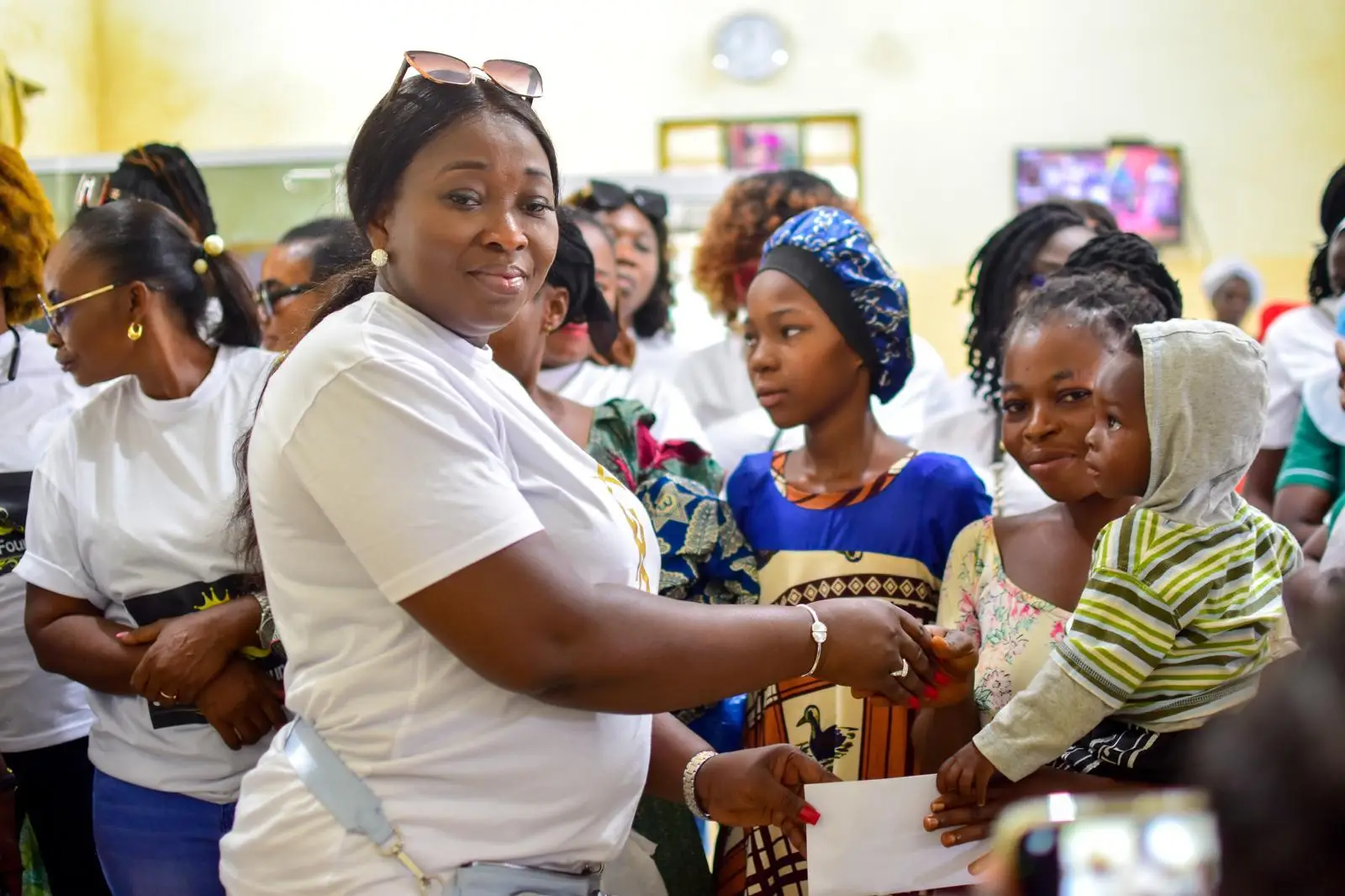
Women and caregivers often carry a large share of responsibility for children’s food, education and daily wellbeing. Supporting women with skills, confidence and access to opportunities can therefore create benefits that extend throughout a household.
Empowerment does not mean assuming every woman needs the same solution. Some may benefit from vocational skills, others from business support, farming resources, mentoring or community networks. Effective programs listen first and respond to real circumstances.
Skills Training and Dignity
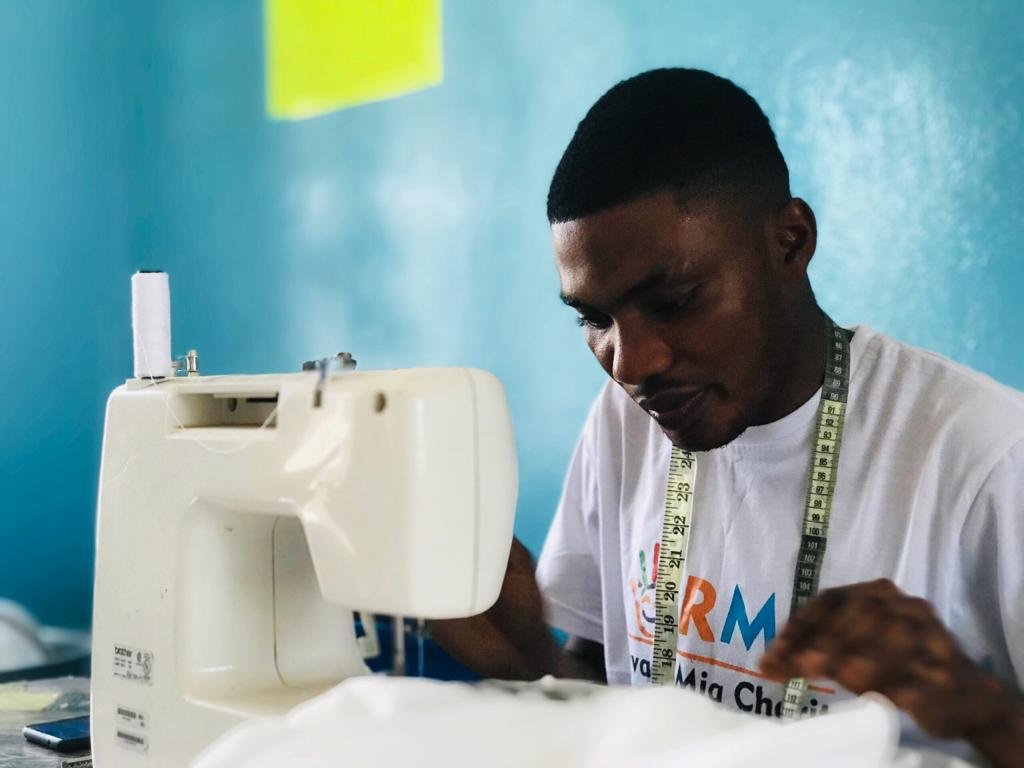
Practical skills can create more than income. Learning a trade can strengthen confidence, provide a sense of achievement and open new ways to contribute within a family or community. Skills training can be especially valuable when it is linked to realistic local opportunities rather than offered as an isolated activity.
The image above reflects the kind of practical, hands-on activity that makes empowerment tangible. A training program becomes meaningful when participants can apply what they learn and continue building on it.
Sustainable Farming as Community Support
Food production is another area where immediate care and long-term resilience can meet. Ryvanz-Mia Childcare describes its Yearly Farm Project as a way to support food, care and sustainability for children in Ghana.
Local farming can contribute to meals while also building knowledge, productive capacity and community participation. It is not a quick solution to poverty, but it can become one part of a broader strategy that strengthens food security.
How Empowerment Connects to Education
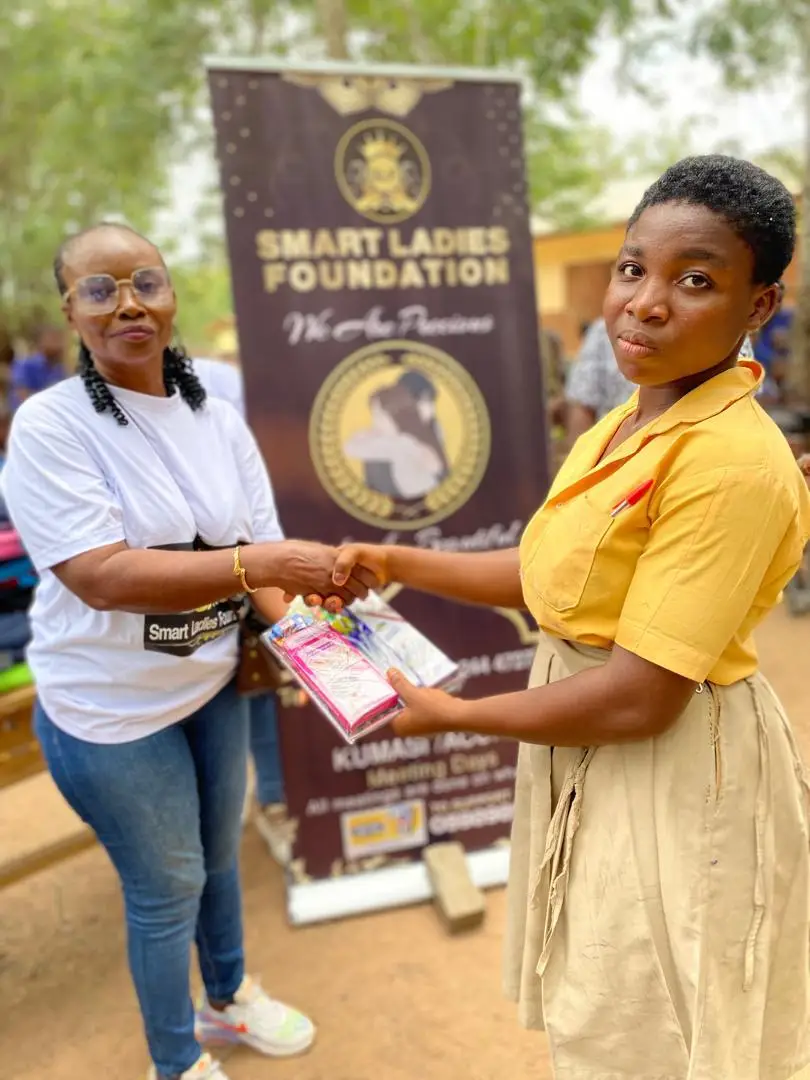
When households become more stable, children may face fewer interruptions to their education. Families with stronger livelihoods can be better positioned to manage school-related costs, transportation, meals and other recurring needs.
This is why empowerment and Education Support should not be treated as unrelated programs. Both contribute to a larger goal: helping children grow in environments where opportunity is more sustainable.
What Supporters Can Do
Supporters can help empowerment programs through donations, professional expertise, partnerships, fundraising and access to tools or training resources. Businesses may be able to contribute specialized knowledge. Community groups can raise awareness. Volunteers can offer skills where there is a genuine need.
The most useful starting point is to review the organization’s programs and contact the team before proposing a project. This allows support to be shaped around current priorities rather than assumptions.
Building Change That Can Continue
Sustainable charity work does not mean that every program must become financially independent overnight. It means thinking beyond the next intervention. Are people gaining skills? Are families becoming more resilient? Are communities involved in decisions? Are programs strengthening local capacity?
Those questions help shift the focus from charity as a transaction to charity as partnership.