A child’s ability to learn is shaped by what happens both inside and outside the classroom. Regular access to nourishing meals can support healthy growth, daily energy, concentration and participation. For vulnerable children and families facing hardship, feeding support can also provide valuable relief while creating a more stable foundation for education and care.
Why Nutrition and Learning Belong in the Same Conversation
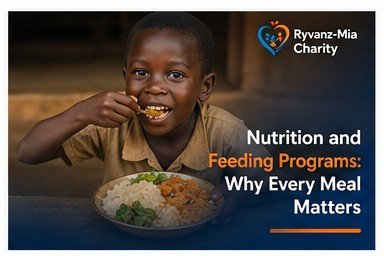
Learning requires attention, energy and participation. When children are dealing with hunger or inconsistent access to meals, the school day can become more difficult. Ryvanz-Mia Charity’s Nutrition & Feeding program recognizes that meals are not separate from education; they are part of the practical support that helps children arrive ready to engage.
Nutrition support should not be reduced to a single meal or photograph. The deeper goal is to help children and families experience greater stability. That can include regular feeding, family food relief and efforts that strengthen local food security.
What a Meal Can Represent
For a child, a meal can mean more than relief from hunger. It can provide a predictable moment of care. It can help a child participate in lessons and play. It can also reduce some of the pressure on caregivers who are working through difficult circumstances.
For families, food assistance can create breathing room. When a household is struggling, even temporary relief may allow limited resources to be directed toward other essentials such as school needs, transportation or healthcare.
Feeding support can contribute to:
- better readiness for school and daily activities;
- more consistent participation in learning and play;
- relief for families during periods of hardship;
- a stronger connection between education, care and wellbeing; and
- community conversations about sustainable food security.
Dignity Should Be Part of Every Feeding Program
Charitable support is most meaningful when people are treated with respect. Children and families should never be reduced to images of need. A responsible feeding program considers privacy, dignity, local culture and the practical realities of the community.
That means identifying current needs, planning appropriate assistance, preparing and distributing food responsibly, and listening to local caregivers and community partners. The purpose is not simply to deliver something; it is to provide support in a way that strengthens people rather than making them feel powerless.
From Immediate Relief to Long-Term Food Security
Emergency or short-term food support is sometimes necessary, but sustainable charity work also asks what can strengthen food security over time. This is where local farming and community development can become part of the solution.
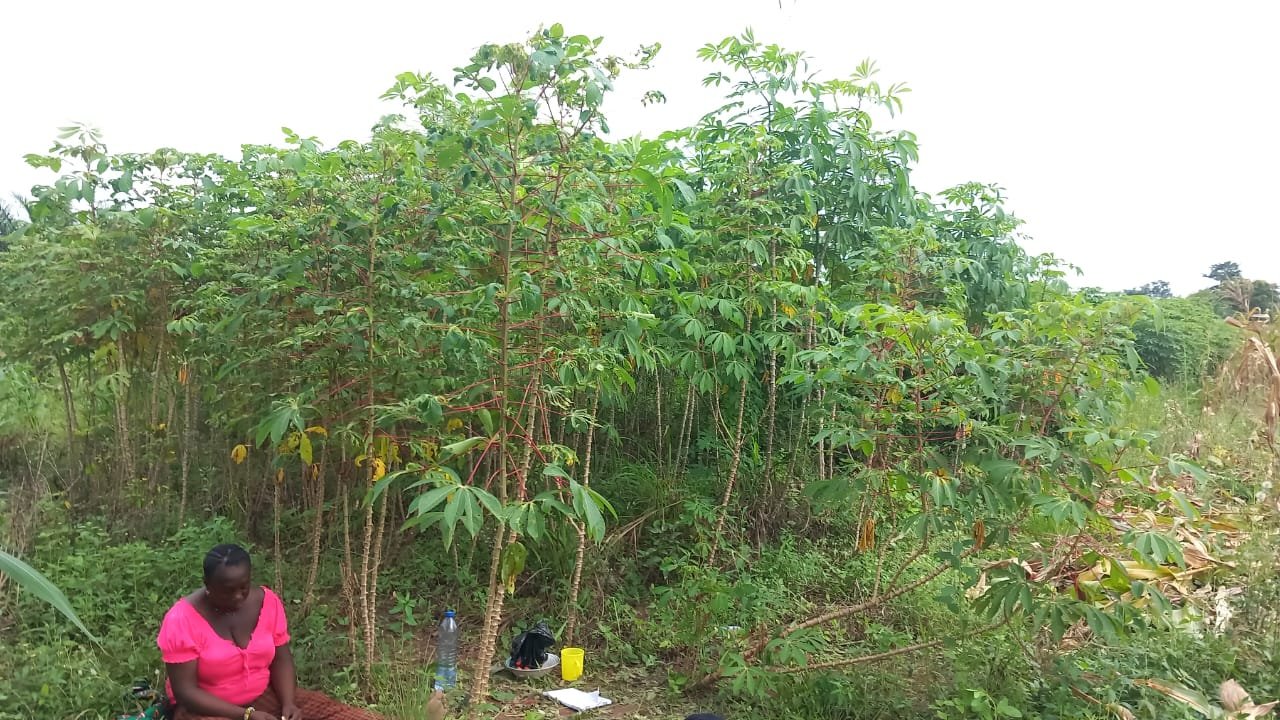
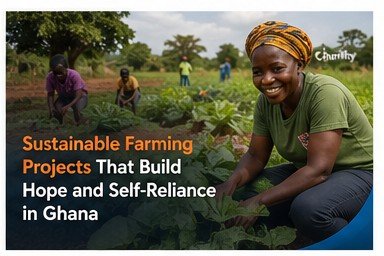
Ryvanz-Mia Childcare works locally in Ghana, and its Yearly Farm Project connects food production with care for children. Local agriculture can help create a more direct relationship between community resources and the meals children receive.
Farming projects are not a replacement for donations or feeding support, but they can complement them. Seeds, farm inputs, labor and harvest support can contribute to a longer-term approach that values both immediate care and self-sustaining capacity.
The Connection Between Food and School Readiness
Education initiatives often focus on books, classrooms and tuition, but a child’s readiness to learn begins before the lesson starts. A student who has eaten, slept and arrived with basic school supplies is in a different position from a student who is worried about their next meal.
This is why Ryvanz-Mia Charity’s Education Support and nutrition programs naturally complement one another. Supporting the whole child means recognizing that educational opportunity depends on wellbeing.
How Supporters Can Help Responsibly
There are several ways to support nutrition-related work. Financial contributions can help organizations respond flexibly to current needs. Partnerships can assist with food sourcing, logistics or farming inputs. Volunteers with relevant skills may also be able to support planning, fundraising or community outreach.
Before organizing physical food donations, supporters should contact the charity. Local purchasing may sometimes be more practical than shipping items internationally, and the team can explain what is most useful at the time.
Nutrition Is Part of a Larger Mission
No single program can address every challenge facing a vulnerable child. Feeding support is strongest when it operates alongside education, safe care, family support and opportunities for caregivers. Ryvanz-Mia Charity’s program areas are designed around this wider understanding.
Supporters who want to see how these efforts affect real people can also explore the charity’s Impact Stories. Stories help connect program descriptions with the human reasons the work exists.